Paul Hansen · 6 November 2026
Regional Broadcasters Extend Programming Hours to Spotlight Local Music Talent
Regional broadcasters across multiple markets have increased their daily airtime allocations since late 2025, and this shift has directed more slots toward performances and interviews featuring artists who reside in the same broadcast areas. Stations in coastal and inland communities report adding two to four hours of extended evening and overnight blocks each week, with the added segments dedicated to unreleased tracks, live sessions, and community-curated playlists that draw exclusively from nearby zip codes.
Programming Adjustments Across Markets
Stations operating under smaller ownership groups rather than national networks initiated the schedule changes first, and data compiled by industry monitoring services shows that 47 outlets in the United States and Canada lengthened their local-music windows by November 2026. These adjustments followed revised licensing expectations from the Canadian Radio-television and Telecommunications Commission that encouraged measurable increases in regionally produced content, while parallel moves in the United States aligned with updated public-service filings submitted to the Federal Communications Commission.
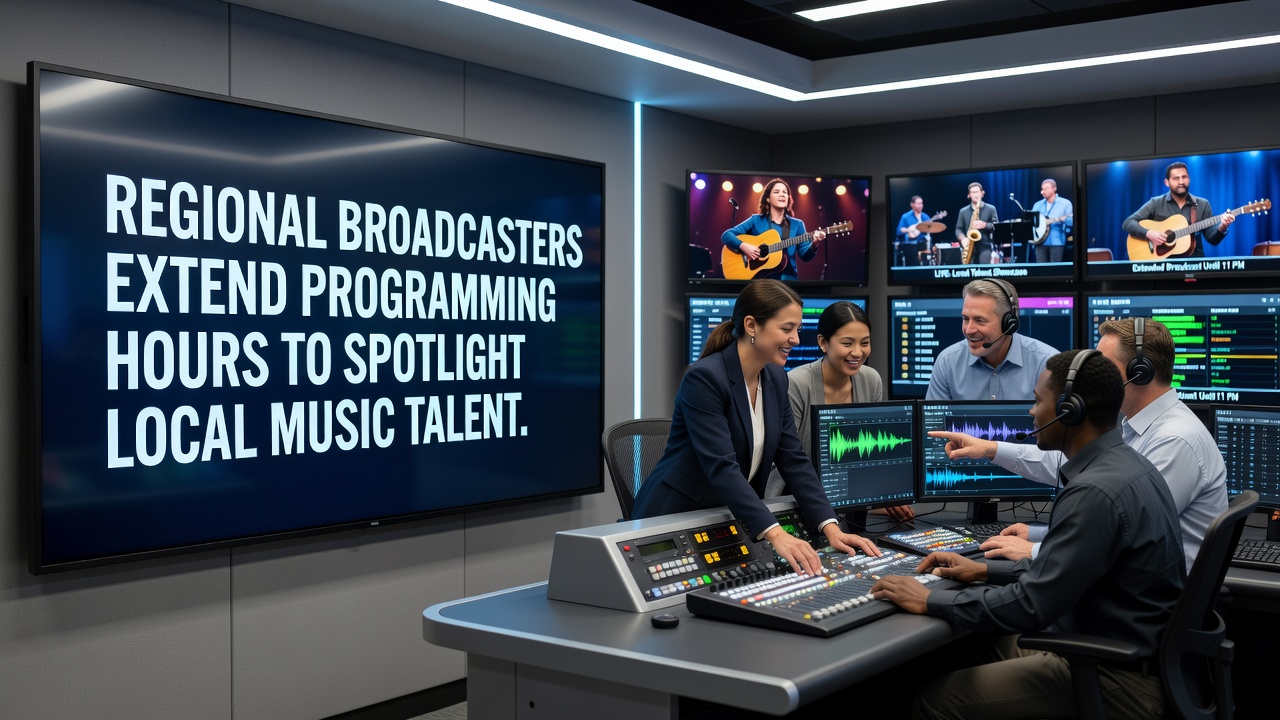
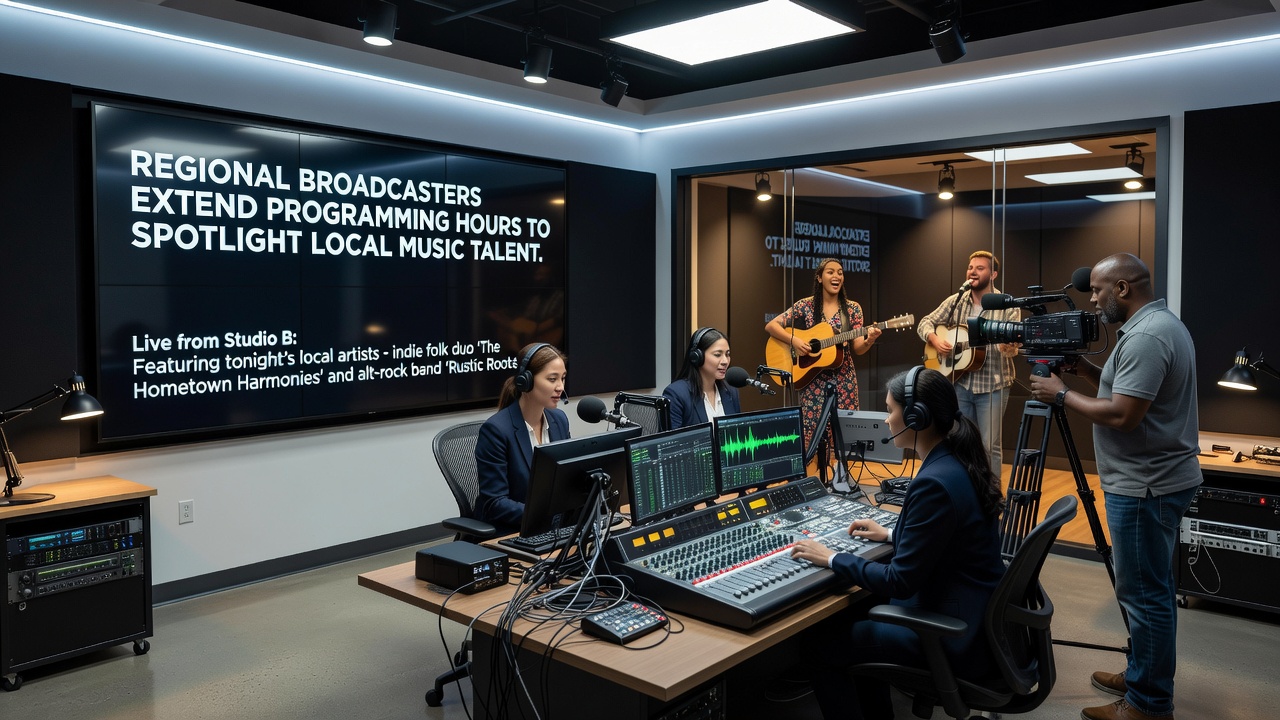
Broadcasters cite improved listener retention during the new blocks, because audiences respond to familiar accents, references to local venues, and stories tied to nearby events. One station in the Pacific Northwest added a midnight-to-4 a.m. slot that streams live sets recorded at waterfront venues, and the same format now appears on affiliates in the Great Lakes region and the Gulf Coast.
Artist Participation and Selection Processes
Local musicians submit recordings through online portals maintained by each station, and selection committees composed of station staff plus volunteer community members review submissions on a rolling basis. Artists whose work meets basic technical standards receive airplay within six weeks, and follow-up interviews occur during the extended segments. Observers note that this cycle has shortened the time between recording and broadcast compared with earlier submission windows that often stretched several months.
Participation numbers have risen steadily. Figures released by the National Endowment for the Arts in its 2026 arts participation brief indicate that submissions from independent artists living within 100 miles of participating transmitters increased 28 percent year-over-year. The brief also records that 62 percent of those submissions came from acts that had not previously received commercial radio exposure.
Technical and Logistical Requirements
Extended hours require additional engineering staff and updated automation software, because many stations operate with skeleton crews after midnight. Broadcasters have invested in cloud-based playout systems that allow remote monitoring, and several outlets now contract with local colleges to provide paid internships for students who handle overnight board operations. These arrangements satisfy both labor needs and educational requirements for audio-production programs.
Signal coverage remains unchanged, yet streaming numbers have climbed because the new blocks are available on station apps and third-party platforms. Analytics shared by one Midwest network show that 41 percent of listeners to the extended local-music segments tune in via mobile devices rather than traditional receivers.
Community and Economic Context
Chambers of commerce in towns that host the participating stations have begun listing the new broadcast blocks in tourism calendars, and venues that supply performance space report modest upticks in ticket sales on nights when sessions are recorded for later airing. The pattern holds across stations that coordinate with municipal arts offices, which sometimes supply small grants to offset recording costs for emerging acts.
November 2026 marks the first full year in which several of these extended schedules have run continuously, and preliminary tallies show that 1,200 distinct tracks from regional artists received at least one spin during the added hours. Those counts come from public logs that stations file with their respective regulatory bodies.
Conclusion
The expansion of programming hours by regional broadcasters has created additional on-air opportunities for musicians who operate outside major-label systems, and the changes rest on measurable adjustments to schedules, licensing expectations, and technical infrastructure. Continued tracking through 2027 will show whether listener and artist engagement levels remain consistent with the patterns observed through November 2026.