Lars Schmitt · 9 October 2026
Local Policy Adjustments Prompt Expanded Training for Sound Engineers and Audio Technicians
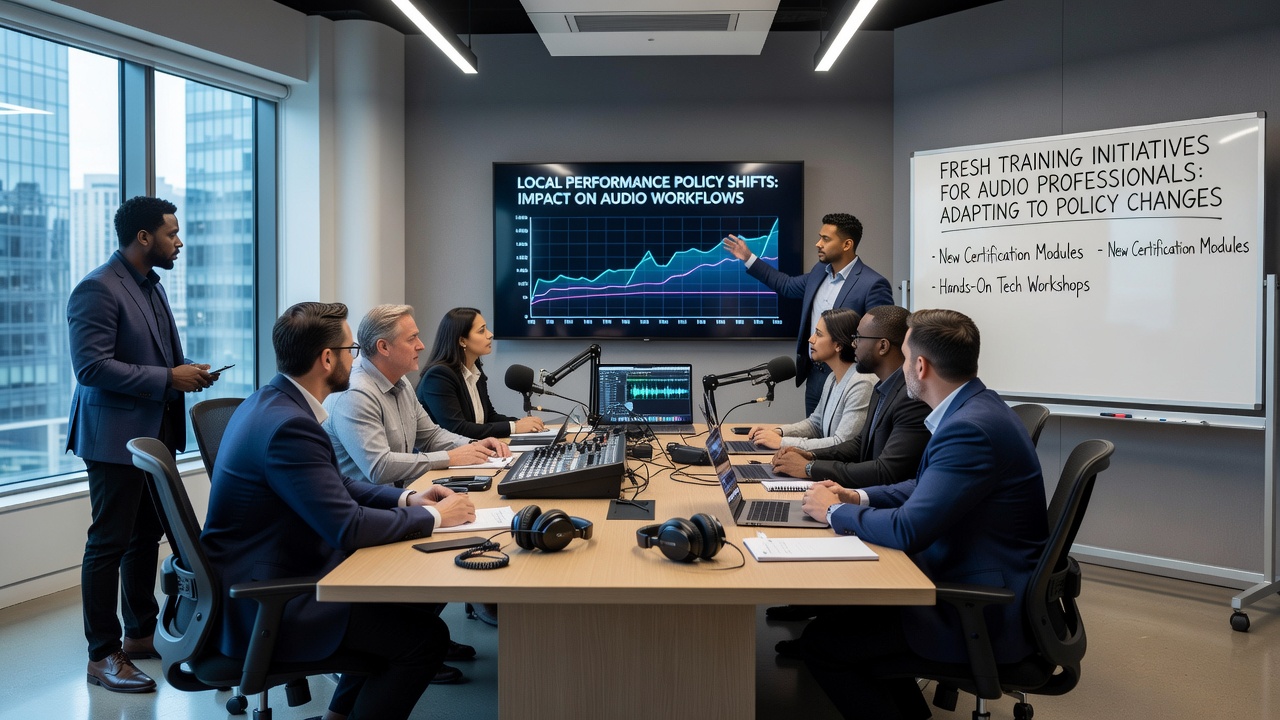
Shifts in local performance policies have led municipalities across multiple regions to introduce updated regulations on venue operations, sound management, and technical standards, which in turn have generated demand for specialized training programs aimed at audio professionals. These changes, many of which take effect in October 2026, focus on compliance with revised noise ordinances, equipment certification requirements, and integration of advanced audio technologies in live settings. Data from industry reports indicate that such policy updates affect hundreds of venues annually, prompting organizations to develop targeted educational initiatives.
Understanding the Scope of Recent Policy Changes
Local governments have revised performance policies to address evolving concerns around public safety, environmental noise control, and technological compatibility in entertainment spaces. According to records from regional planning departments, amendments often include stricter limits on decibel levels during events, mandatory certifications for audio systems, and guidelines for digital signal processing tools. These adjustments apply to both indoor theaters and outdoor amphitheaters, requiring audio technicians to adapt their practices without disrupting ongoing productions. Research from academic institutions shows that venues implementing these rules report measurable improvements in regulatory adherence when staff complete formal training modules.
Training initiatives have emerged in response, with programs offered through professional associations and technical institutes that cover topics such as updated calibration methods, acoustic modeling software, and emergency response protocols for audio failures. One study conducted by a European research consortium found that participants in similar courses demonstrated higher rates of compliance during follow-up audits compared to those relying on informal learning alone.
Key Components of New Training Programs
Programs designed for audio professionals typically span several weeks and combine classroom instruction with practical workshops. Curriculum elements include instruction on interpreting local zoning documents, operating noise monitoring devices, and applying software for real-time audio adjustments. Institutions report enrollment increases of 25 to 40 percent since policy announcements began circulating earlier in 2026, based on registration figures compiled by trade groups.
Participants learn to navigate requirements such as venue-specific sound mapping and integration with building management systems. Courses also address compatibility with emerging formats like spatial audio, which some localities now reference in their technical specifications. External resources, including guidelines from the Occupational Safety and Health Administration, provide foundational material on exposure limits that align with many municipal rules.
Regional Examples and Implementation Timelines
Implementation varies by location, with coastal districts and urban centers often leading adoption due to higher concentrations of performance spaces. In areas preparing for October 2026 deadlines, training sessions have been scheduled in collaboration with equipment suppliers to ensure hands-on familiarity with compliant gear. Figures from industry surveys reveal that over 150 training cohorts have been organized nationwide in the preceding six months, covering both entry-level technicians and experienced engineers seeking recertification.
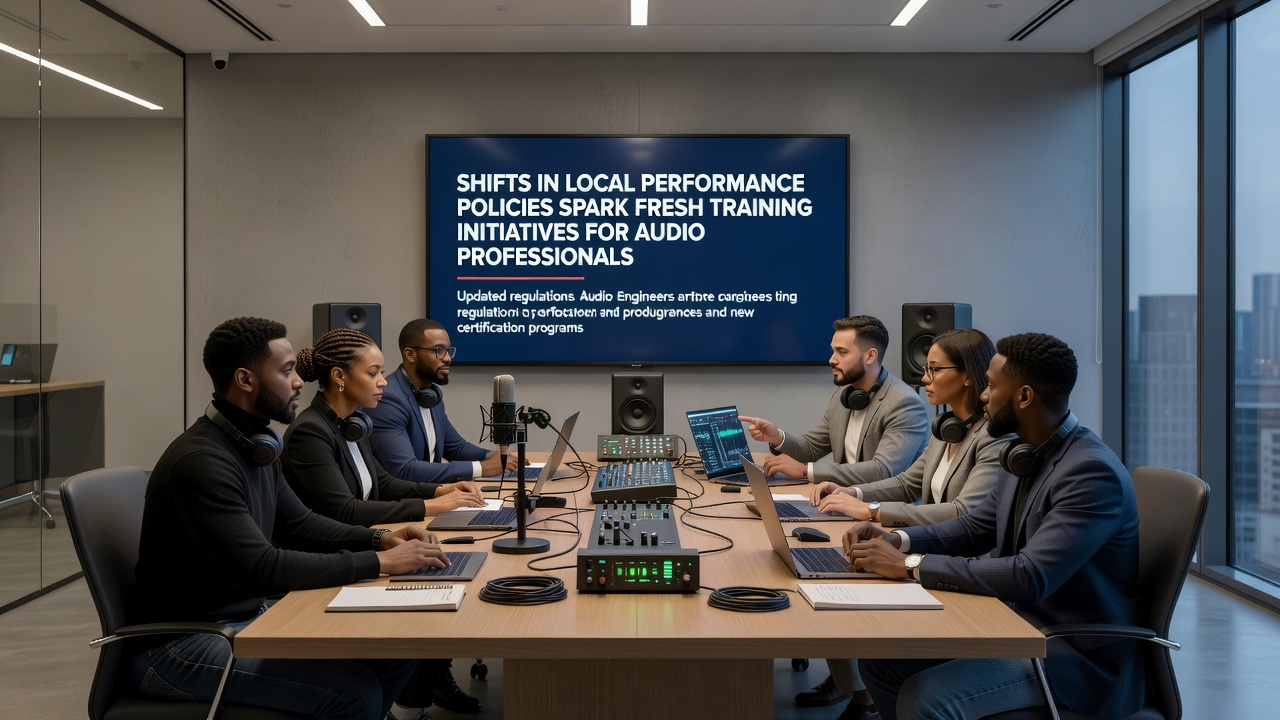
Take one regional technical college that partnered with local authorities to deliver modules on acoustic barrier installation and digital console programming. Enrollment data from that program showed consistent participation from freelancers who service multiple venues, highlighting how policy shifts influence independent contractors as well as full-time staff. Another example comes from an Australian acoustics society report, which documented similar training expansions following updates to entertainment venue licensing in 2025.
Impact on Professional Development and Venue Operations
Audio professionals who complete these initiatives gain credentials that satisfy new licensing criteria, allowing continued work in regulated environments. Venue operators note reduced instances of compliance violations after staff undergo instruction, according to aggregated inspection records. The connection between policy enforcement and training availability has created a feedback loop where successful programs inform further refinements to regulations.
Resources such as publications from the Audio Engineering Society offer supplementary reading on technical standards that support these educational efforts. Observers note that programs incorporating case studies from actual venue audits prepare participants more effectively for real-world application of the rules.
Conclusion
Policy adjustments in performance venues continue to drive the development of structured training for audio professionals, with initiatives expanding to meet October 2026 implementation dates. These programs emphasize practical skills aligned with regulatory demands, supported by data from government agencies and research bodies that track outcomes in compliance and operational efficiency. As localities refine their approaches, the availability of targeted education remains a central factor in maintaining professional standards across the sector.