Rosa Meier · 25 September 2026
Coastal Towns Evaluate Acoustic Innovations Alongside Established Concert Approaches
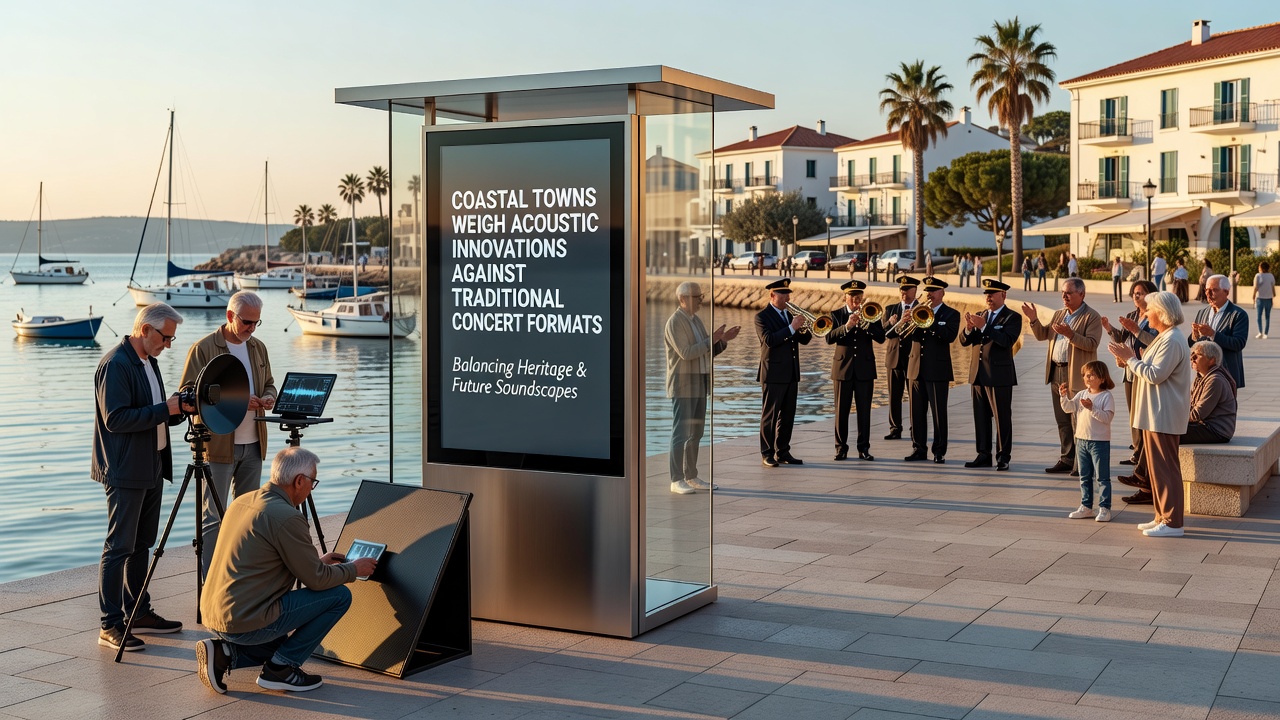
Coastal communities along various shorelines have begun assessing new sound management systems that rely on directional speakers, real-time acoustic modeling, and adaptive noise cancellation while comparing these tools directly against longstanding stage amplification methods that use conventional speakers and open-air mixing consoles. Researchers from multiple institutions have documented how such evaluations unfold in towns where concert attendance generates both economic activity and concerns over sound spillover into residential zones and marine habitats.
Current Trends in Coastal Music Events
Attendance figures from regional tourism boards show steady growth in outdoor performances near waterfronts during summer months, with data indicating that many events draw crowds exceeding several thousand people per night. Organizers in these locations report that traditional concert formats continue to dominate schedules because they require fewer specialized technicians and integrate easily with existing power grids and stage rental companies. Yet acoustic innovations have entered planning discussions more frequently since 2024, particularly in areas where local ordinances set strict decibel limits after 10 p.m.
Studies conducted by university teams in North America and Europe reveal measurable differences in sound dispersion patterns when directional arrays replace standard speaker stacks. These arrays concentrate audio energy toward audience areas and reduce reflections off water surfaces that can carry noise farther than expected. Municipal records from several Pacific and Atlantic sites list complaints about low-frequency rumble traveling across bays, prompting officials to request technical demonstrations of newer equipment before approving permits for larger shows.
Technical Comparisons and Implementation Data
Engineers who have installed both systems note that adaptive cancellation technology samples ambient conditions every few seconds and adjusts output to maintain consistent levels inside designated listening zones. Traditional setups, by contrast, rely on static equalization and physical barriers such as temporary fencing or hay bales that crews reposition manually throughout an event. Cost analyses published by industry associations indicate that initial outlays for digital systems run higher, though long-term maintenance expenses may decrease because fewer physical components require replacement after repeated coastal exposure to salt air.
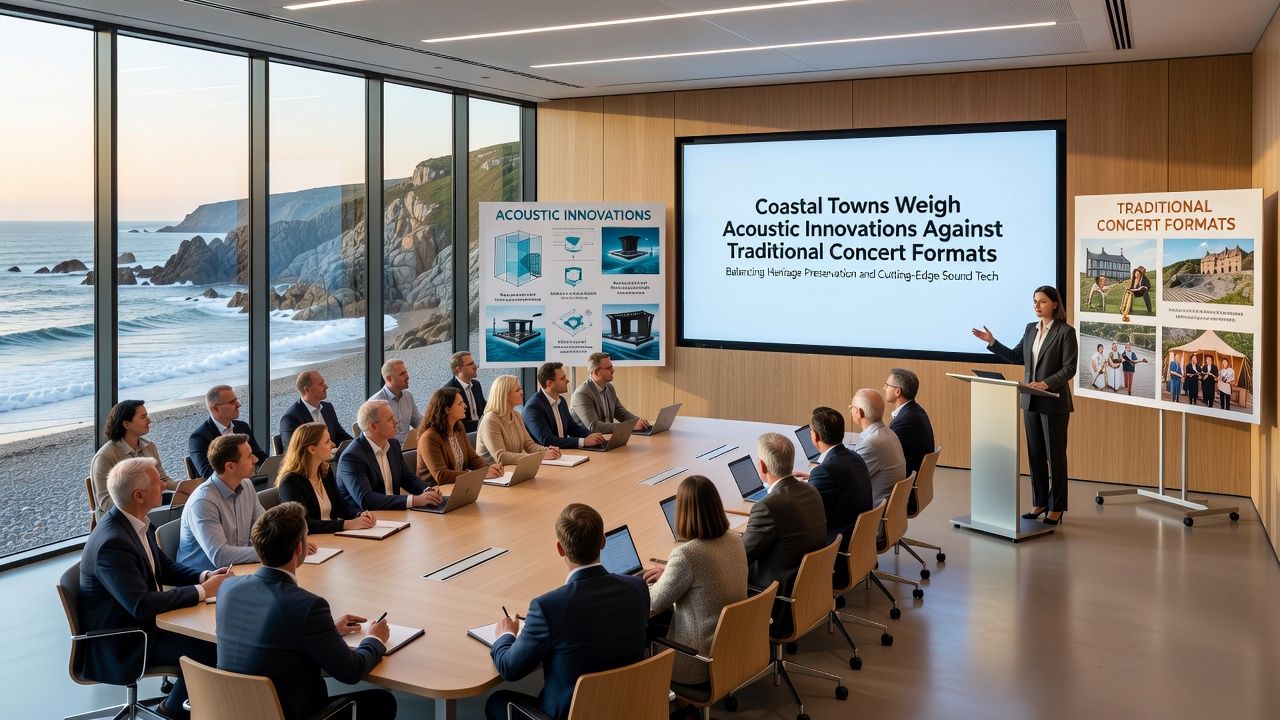
One documented pilot in a Canadian coastal municipality tracked audience satisfaction scores alongside noise readings at nearby homes during three successive concerts. Results compiled by the local planning department showed comparable listener experience ratings between the two formats, while average nighttime sound levels at residential boundaries dropped when the directional system operated. Similar monitoring programs have appeared in Australian coastal shires where environmental agencies track underwater noise propagation that can affect marine species during peak tourist seasons.
September 2026 Developments and Regional Planning
Planning documents released ahead of September 2026 outline coordinated testing schedules in several shoreline districts where multiple venues will trial integrated acoustic platforms during the same weekend series. These coordinated efforts allow direct side-by-side measurements under similar weather and tidal conditions, something earlier isolated trials could not achieve. Local governments have invited representatives from audio engineering societies to observe protocols and verify calibration methods used by installation crews.
Funding streams for such trials often combine municipal budgets with grants aimed at sustainable tourism infrastructure. Reports from participating towns list specific metrics under review, including audience density per square meter, average sound pressure at varying distances from the stage, and post-event cleanup duration. Observers note that these metrics help decision makers weigh operational simplicity of traditional formats against the precision offered by newer technologies when future event calendars are drafted.
Conclusion
Coastal towns continue to compile comparative data on acoustic innovations and traditional concert formats through ongoing measurements and permit reviews. The outcomes of September 2026 trials will supply additional figures for planners who must balance visitor revenue against residential quality-of-life standards and marine environmental guidelines. As more municipalities publish their findings, other shoreline communities gain reference points for their own evaluations of sound technology options.